
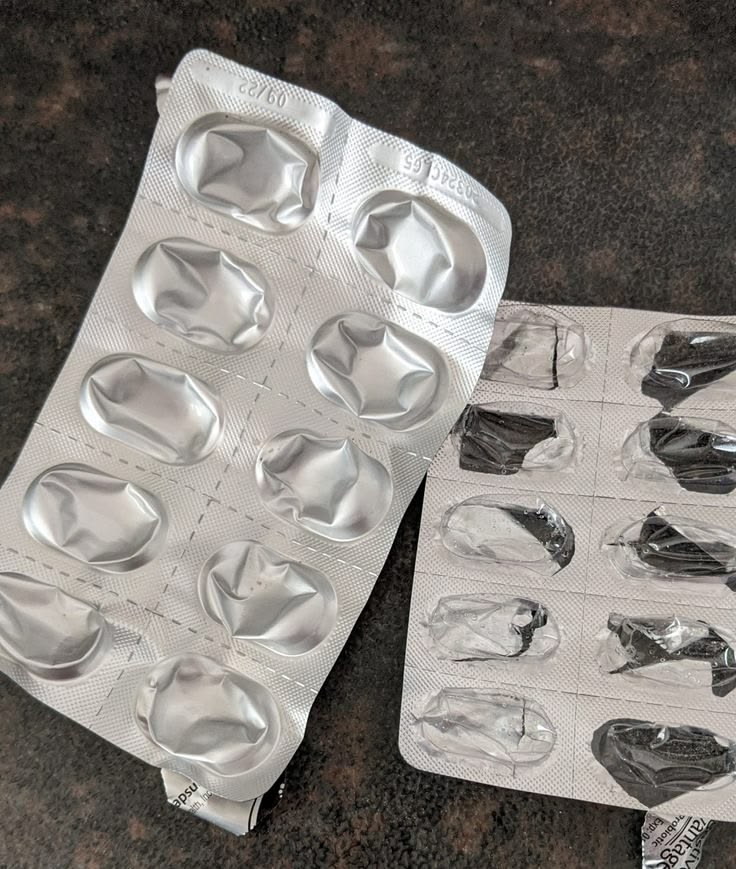
Tu as mal. Tu prends un ibuprofène. Ça passe. Et le mois suivant, tu recommences.
C'est le réflexe de la plupart des femmes. Et on ne te juge pas : quand la douleur est là, tu veux juste qu'elle s'arrête.
Mais voilà ce que personne ne te dit vraiment sur l'ibuprofène et tes règles.
1. Comment l'ibuprofène agit sur tes crampes
L'ibuprofène appartient à la famille des anti-inflammatoires non stéroïdiens, les AINS. Son mécanisme : il bloque une enzyme appelée COX, qui est responsable de la production de prostaglandines.
Tu te souviens des prostaglandines ? Ce sont ces molécules qui déclenchent les contractions utérines et provoquent tes crampes. En les bloquant, l'ibuprofène réduit effectivement la douleur.
Jusque-là, ça fonctionne. Le problème, c'est ce qui se passe sur la durée.
2. Ce que l'ibuprofène fait à ton corps à répétition
Pris occasionnellement, l'ibuprofène est globalement sans danger pour la majorité des femmes. Mais pris tous les mois, cycle après cycle, pendant des années, le tableau change.
La muqueuse gastrique
L'ibuprofène irrite la paroi de l'estomac à chaque prise. Sur le long terme, cela peut provoquer des gastrites, des ulcères, ou des douleurs digestives chroniques. C'est pour ça qu'on te dit toujours de le prendre avec de la nourriture.
Les reins
Les AINS réduisent le flux sanguin vers les reins. Une prise ponctuelle n'a pas d'impact significatif. Mais une utilisation régulière et prolongée peut affecter leur fonction, surtout si tu es déshydratée.
Le cycle hormonal
Des études récentes suggèrent qu'une prise répétée d'ibuprofène pendant les règles pourrait interférer avec l'ovulation, en bloquant non seulement les prostaglandines responsables de la douleur, mais aussi celles impliquées dans la libération de l'ovule.
3. Le vrai problème : l'ibuprofène ne traite pas la cause
C'est là que tout se joue.
L'ibuprofène masque la douleur. Il ne s'attaque pas à ce qui la provoque. Ton utérus continue de produire trop de prostaglandines. Ton corps continue de réagir au stress, à l'alimentation, au manque de sommeil. Et chaque mois, la même douleur revient, parfois plus forte.
Ce n'est pas une solution. C'est un pansement.
Traiter la cause, c'est agir sur l'inflammation en profondeur, réguler les hormones, et soutenir ton corps tout au long du cycle : pas seulement pendant les deux jours où tu souffres.
4. Ce que tu peux faire à la place
L'objectif n'est pas de culpabiliser sur l'ibuprofène. Parfois, tu en as besoin. Et c'est ok.
Mais si tu veux réduire ta dépendance aux anti-inflammatoires, voilà ce qui fonctionne.
Sur l'alimentation
Réduire le sucre raffiné, les aliments ultra-transformés et les graisses saturées diminue l'inflammation générale dans ton corps. Miser sur les oméga-3, le magnésium et les antioxydants aide à réguler naturellement la production de prostaglandines.
Sur le cycle en amont
Soutenir ton corps pendant la phase lutéale, les 15 jours avant tes règles, permet de réduire l'intensité des douleurs avant même qu'elles arrivent.
Sur la douleur au moment où elle arrive
Des actifs naturels comme le CBD, le curcuma et le menthol agissent sur les mêmes mécanismes que l'ibuprofène : l'inflammation et les contractions, mais sans les effets secondaires liés à une utilisation répétée.
Ce qu'on retient
L'ibuprofène n'est pas ton ennemi. Mais ce n'est pas non plus ta solution.
Si tu le prends tous les mois depuis des années, c'est le signal que quelque chose dans ton cycle mérite une vraie attention : pas juste un calmant.
Ton corps peut faire mieux. Il a juste besoin des bons outils.
Sources
- INSERM : Anti-inflammatoires non stéroïdiens et effets secondaires
- Journal of Clinical Endocrinology : Ibuprofène et ovulation
- Prostaglandins & Other Lipid Mediators : AINS et cycle menstruel
- Agence Nationale de Sécurité du Médicament : Ibuprofène, usage et risques
Pourquoi tu as encore plus mal au ventre pendant tes règles quand tu es stressée ?