
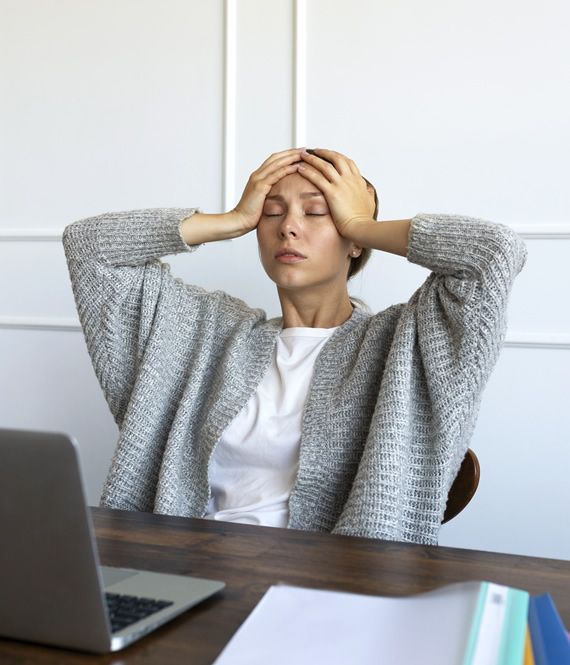
Tu te souviens de ce lundi matin impossible ? Réunion à 9h, trois messages en retard, et en plus… tes règles qui arrivent. Et là, les crampes. Pires que d'habitude. Bien pires.
Ce n'est pas une impression. Ce n'est pas dans ta tête.
C'est une réaction chimique dans ton corps, et elle a un nom.
1. Le stress, c'est quoi concrètement pour ton corps ?
Quand tu es sous pression, ton cerveau envoie un signal d'alarme. En réponse, tes glandes surrénales libèrent du cortisol, l'hormone du stress.
Le cortisol, c'est utile. Il te permet de rester alerte, de tenir le coup, de gérer l'urgence. Mais il a un effet secondaire que personne ne t'a expliqué : il amplifie l'inflammation dans ton corps. Et pendant tes règles, c'est un vrai problème.
2. Le lien entre stress et douleurs menstruelles
Pendant tes règles, ton utérus produit des prostaglandines. Ce sont des molécules qui déclenchent les contractions utérines pour évacuer la muqueuse.
Plus il y a de prostaglandines, plus les contractions sont intenses. Plus les contractions sont intenses, plus tu as mal.
Et le cortisol amplifie directement la production de prostaglandines.
Résultat : une journée stressante = plus de cortisol = plus de prostaglandines = des crampes plus violentes.
Ton corps ne te lâche pas par hasard. Il réagit exactement à ce que tu lui fais vivre.
3. Pourquoi tes règles ne font pas la même chose chaque mois
C'est pour ça que certains mois tu t'en sors presque bien, et d'autres tu ne comprends pas ce qui t'arrive.
La douleur n'est pas fixe. Elle varie en fonction de ton état général : ton niveau de stress, ton sommeil, ton alimentation, ta charge mentale. Une semaine d'examen, un déménagement, une période intense au travail, tout ça se lit dans tes règles.
Ce n'est pas une faiblesse. C'est de la biologie.
4. Ce que tu peux faire concrètement
Tu ne peux pas toujours supprimer le stress. Mais tu peux limiter son impact sur ton corps.
Avant tes règles
Réduis la caféine et le sucre raffiné qui amplifient l'inflammation. Mise sur le magnésium, il régule naturellement le cortisol. On le trouve dans les amandes, le chocolat noir, les légumes verts.
Pendant tes règles
Évite de te surcharger si tu peux le prévoir. Ce n'est pas de la faiblesse, c'est de la stratégie. Intègre des micro-pauses dans ta journée, 5 minutes de respiration profonde suffisent à faire baisser le cortisol. Et agis vite sur la douleur dès les premiers signes, avant qu'elle s'installe.
Ce qu'on retient
Stress → cortisol → plus de prostaglandines → plus de crampes.
Comprendre ce mécanisme, c'est arrêter de subir et commencer à anticiper. Ton cycle n'est pas ton ennemi. Il te parle. Et plus tu l'écoutes tôt, moins il crie fort.
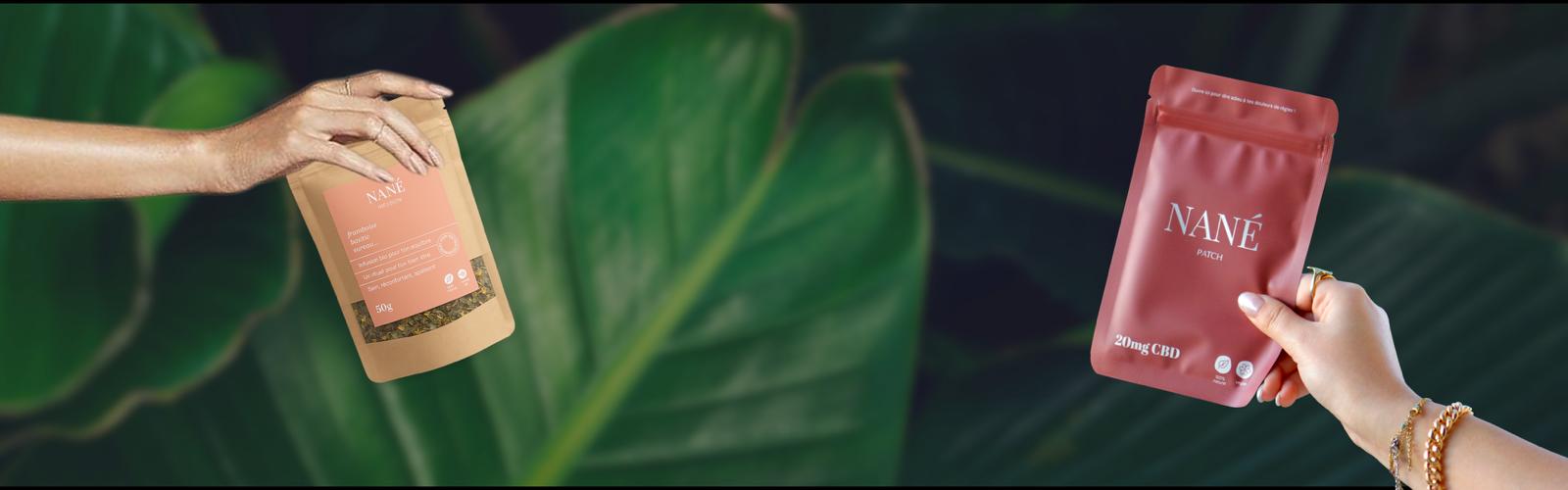
Découvrir le Patch Nané — pour agir dès les premiers signes, avant que la douleur s'installe.
Sources
- Société Française de Gynécologie — Dysménorrhée et prostaglandines
- INSERM — Stress, cortisol et inflammation
- Journal of Women's Health — Stress and menstrual pain
Les différentes phases du cycle menstruel expliquées simplement
Ibuprofène et règles douloureuses : pourquoi ce n'est pas une solution long terme